
with Don Carlos, Israel Vibration & Roots Radics, Pato Banton
Fri,
Jun 26
6:00PM
(Doors: 5:00PM )
The Sound
,
2260 Jimmy Durante Boulevard, Del Mar, CA
All Ages
Don Carlos | Israel Vibration & Roots Radics, Friday, June 26, 2026, at The Sound Del Mar, San Diego, CA
BELLY UP PRESENTS
AT THE SOUND
Del Mar Fairgrounds
2260 Jimmy Durante Blvd
Del Mar, CA 92014
THIS SHOW IS NOT AT BELLY UP.
Ticket Price: $48 advanced / $48 day of show / $73 reserved seating
Note: Tickets available for purchase without fees at The Sound box office when a show is taking place. Convenience service charges apply for online purchases.

ADMISSION TO THE FAIRGROUNDS INCLUDED IN THE PRICE OF THE CONCERT TICKET.
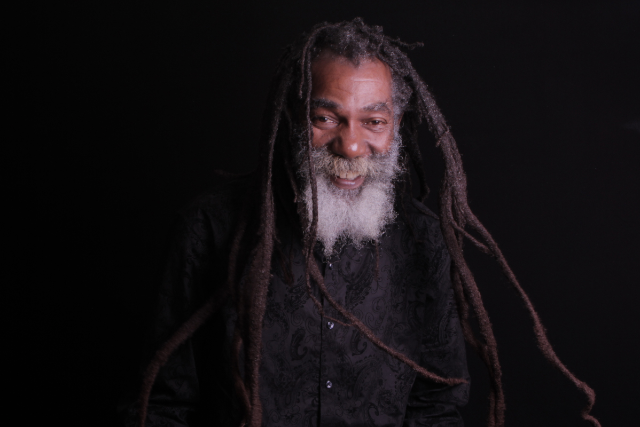
Don Carlos

Legendary reggae artist Don Carlos started his singing career in 1965 by collaborating with likeminded musicians before quickly moving on to create solo singles. In 1972, Carlos became one of the original contributors of Black Uhuru, founding the Jamaican trio alongside co-founders Garth Dennis and Derrick "Duckie" Simpson. Two years after the trio's groundbreaking debut, the group split and Carlos moved on to pursue a solo career.After spending three years developing his songwriting craft and grooming his distinctive vocal style, Carlos released his debut solo record Suffering in May 1981. The strong release took the industry by storm and soon became a massive hit in Africa. Carlos' most recent solo work was on 2010's Changes, though Carlos also recently appeared on a 2012 album by the modern San Diego reggae group Slightly Stoopid.
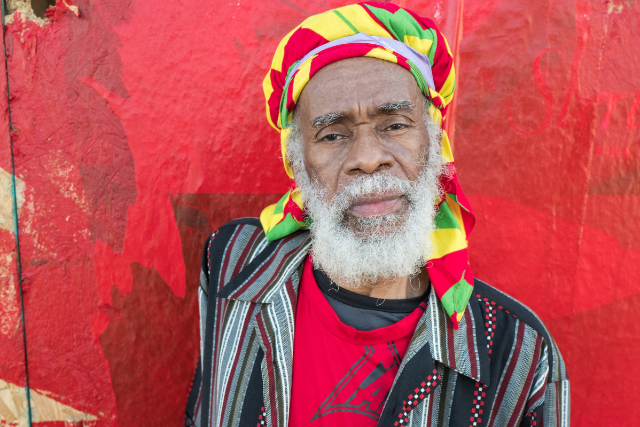
Israel Vibration & Roots Radics

A living lesson in fortitude, the vocal trio of Cecil "Skeley" Spence, Albert "Apple Gabriel" Craig, and Lascelle "Wiss" Bulgin overcame adversity, illness, and poverty to become one of the finest roots groups in Jamaica's history. All three had been afflicted by polio and first became acquainted, albeit briefly, at Kingston's Mona Rehabilitation Clinic.
Of the trio, Bulgin appeared least likely to emerge a singing sensation. He spent much of his childhood at a variety of rehabilitation centers and in his teens began working for a tailor. Craig, in contrast, initially did seem destined for a musical career and for a while attended the famed Alpha Cottage School. This illustrious institution, founded in 1880 and run by Catholic nuns, is renowned for its musical training. Many of the island's greatest stars passed through its doors, including members of the Skatalites and drummer Leroy "Horsemouth" Wallace. However, Craig found the tough discipline and rigid atmosphere oppressive and ran away at 14 into a life of homelessness and poverty. After an equally bright start, Spence's life also took a severe downturn. As a preteen, he played xylophone in a youth band, with whom he appeared on national television. Although physically disabled, he was a gifted athlete and in his teens he was selected for the Jamaican Wheelchair Basketball team. But his conversion to Rastafarianism put an end to all that in 1969; he was dropped from the team and returned to Kingston. It was serendipity that he bumped into Craig soon after, and fate intervened again, to bring the pair back into touch with Bulgin.
The three teens had individually all previously converted to rastafarianism, now their shared faith and childhood experiences helped forge a strong friendship. Leaving behind their old lives, the trio now spent their time hanging out together and busking for money around Kingston. They spent the next six years singing for their suppers and by 1975, Israel Vibration was a vocal force to be reckoned with. However, their initial attempt at recording was abortive as the one track they did cut, the Ernest Hookim-produced "Bad Intention," never saw release. The following year, an answer to their prayers arrived when members of the Rastafarian religious group the Twelve Tribes of Israel agreed to finance a single by the trio.
Israel Vibration went into Treasure Isle studio with producer U- Booth and recorded the single "Why Worry" and a new version of "Bad Intention" for its flip. The group's exquisite dread sound and militant cultural themes made an instant impression and the trio now found themselves on-stage opening for the likes of Bob Marley and Dennis Brown. In 1977, Israel Vibration began work on their follow-up, "The Same Song," with producer Tommy Cowan. By the time they were done, the group had another hit song and a debut album of stunning proportions, which was titled after the single. A de rigueur dub version, Israel Tafari, accompanied the full-length and was equally powerful. On the strength of these, the trio was signed to the British EMI subsidiary Harvest, who released Same Song in Britain. 1979 brought the Unconquering People album, and another popular single, "Crisis." And even if this set was not quite as dread as its predecessor, tracks like "Mr. Taxman" and "We a de Rasta" remain classics of cultural roots. Not surprisingly, Israel Vibration went down a storm at that year's Reggae Sunsplash.
The trio's deeply devotional songs, cultural themes, inspirational lyrics, and original take on the roots style had struck a chord with reggae fans around the world. Thus, it was a surprising decision that Israel Vibration recorded their next album, 1981's Why You So Craven, with legendary dancehall producer Junjo Lawes. In many ways, it was a failed venture and the trio was so dissatisfied, they walked out before the sessions were complete. Bringing in the vocal trio the Tamlins, Lawes carried on without them and the resulting album, while not a total disaster, certainly lacked the spirit of its predecessors. Even an avid response at 1982's Reggae Sunsplash could not convince the trio that their future lay in a Jamaica where dancehall now reigned supreme (Live at Reggae Sunsplash, a split album from Israel Vibrations and the Gladiators, bears witness to their performance). Thus they relocated to New York City, perhaps believing that the large immigrant community could sustain them, or that America was now ready to embrace roots. They were wrong on both counts. A few occasional live appearances aside, the group swiftly disappeared from view. All three attempted solo careers, but only Bulgin made it on to record; his Mr. Sunshine album paired him with the Freedom Fighters Band.
In 1987, the trio decided it was stronger together than apart, re-formed, and approached the RAS label. Although labelhead Doctor Dread had shown no interest in their solo efforts, he was enthusiastic about a reunion and quickly signed them to RAS. Strength of My Life appeared the following year, and aided by the Roots Radics, it found Israel Vibration as vibrant as ever.
The trio now settled down for the long haul, and although their sound was no longer on the scene's cutting edge, they continued putting out strong sets. 1990 brought three albums, Praises, its dub companion Dub Vibration, and Israel Dub, drawn from the Strength of My Life set. The next year's Forever found the trio in a surprisingly comic mood, taking aim at themselves, dancehall, as well as contemporary issues. In 1992, a taste of the Vibrations' live power was delivered up on Vibes Alive, which was recorded at a show in Santa Cruz the previous October. Besides showcasing the trio's unique vocal styling, the album captures the Roots Radics at their fiercest. 1993's IV, and its dub companion IV Dub, gave heart to all those who believed that roots was fast becoming little more than a world lovefest. The album's militancy, notably on "Naw Give Up the Fight," proved the trio's own passionate cultural concerns and dread roots were not fading. The equally powerful On the Rock followed two years later and was also accompanied by a dub set.
Then, in 1996, the group released their first single in years, the infectious "Feeling Irie," taken from their new album, Free to Move. This attempt to push the band's profile higher into the mainstream came to naught, the trio had already built up a loyal fan base and remained a successful live act, as 1997's Live Again proved. Unlike its live predecessor, this time around Israel Vibrations packed the album with crowd-pleasing favorites.
It was nine years since the trio had re-formed and signed to RAS; they'd been recording and performing steadily since, but Craig was no longer happy with their current path left the group in 1997 to pursue a solo career. His debut album, Another Moses, featured his own backing band, the Zionists.
Continuing on as a duo, Spence and Bulgin reappeared in 1999 with a new studio album, Pay the Piper, and proved that Israel Vibrations would not be defeated by this defection. Jericho following hot on Piper's heels in the new year, while 2000 also saw the release of the limited-edition Power of the Trinity three-CD box set; Dub Combo appeared in summer 2001. Acknowledging Craig's longtime contribution to the group, the set is evenly divided between the trio, with each disc devoted to one individual member's greatest compositions. Israel Vibrations's career shows no signs of slowing, and the group has firmly carved a secure niche out of what once seemed an impenetrable surface. Their popularity seems assured, and they remain a vibrant live act and an always intriguing studio group.
Of the trio, Bulgin appeared least likely to emerge a singing sensation. He spent much of his childhood at a variety of rehabilitation centers and in his teens began working for a tailor. Craig, in contrast, initially did seem destined for a musical career and for a while attended the famed Alpha Cottage School. This illustrious institution, founded in 1880 and run by Catholic nuns, is renowned for its musical training. Many of the island's greatest stars passed through its doors, including members of the Skatalites and drummer Leroy "Horsemouth" Wallace. However, Craig found the tough discipline and rigid atmosphere oppressive and ran away at 14 into a life of homelessness and poverty. After an equally bright start, Spence's life also took a severe downturn. As a preteen, he played xylophone in a youth band, with whom he appeared on national television. Although physically disabled, he was a gifted athlete and in his teens he was selected for the Jamaican Wheelchair Basketball team. But his conversion to Rastafarianism put an end to all that in 1969; he was dropped from the team and returned to Kingston. It was serendipity that he bumped into Craig soon after, and fate intervened again, to bring the pair back into touch with Bulgin.
The three teens had individually all previously converted to rastafarianism, now their shared faith and childhood experiences helped forge a strong friendship. Leaving behind their old lives, the trio now spent their time hanging out together and busking for money around Kingston. They spent the next six years singing for their suppers and by 1975, Israel Vibration was a vocal force to be reckoned with. However, their initial attempt at recording was abortive as the one track they did cut, the Ernest Hookim-produced "Bad Intention," never saw release. The following year, an answer to their prayers arrived when members of the Rastafarian religious group the Twelve Tribes of Israel agreed to finance a single by the trio.
Israel Vibration went into Treasure Isle studio with producer U- Booth and recorded the single "Why Worry" and a new version of "Bad Intention" for its flip. The group's exquisite dread sound and militant cultural themes made an instant impression and the trio now found themselves on-stage opening for the likes of Bob Marley and Dennis Brown. In 1977, Israel Vibration began work on their follow-up, "The Same Song," with producer Tommy Cowan. By the time they were done, the group had another hit song and a debut album of stunning proportions, which was titled after the single. A de rigueur dub version, Israel Tafari, accompanied the full-length and was equally powerful. On the strength of these, the trio was signed to the British EMI subsidiary Harvest, who released Same Song in Britain. 1979 brought the Unconquering People album, and another popular single, "Crisis." And even if this set was not quite as dread as its predecessor, tracks like "Mr. Taxman" and "We a de Rasta" remain classics of cultural roots. Not surprisingly, Israel Vibration went down a storm at that year's Reggae Sunsplash.
The trio's deeply devotional songs, cultural themes, inspirational lyrics, and original take on the roots style had struck a chord with reggae fans around the world. Thus, it was a surprising decision that Israel Vibration recorded their next album, 1981's Why You So Craven, with legendary dancehall producer Junjo Lawes. In many ways, it was a failed venture and the trio was so dissatisfied, they walked out before the sessions were complete. Bringing in the vocal trio the Tamlins, Lawes carried on without them and the resulting album, while not a total disaster, certainly lacked the spirit of its predecessors. Even an avid response at 1982's Reggae Sunsplash could not convince the trio that their future lay in a Jamaica where dancehall now reigned supreme (Live at Reggae Sunsplash, a split album from Israel Vibrations and the Gladiators, bears witness to their performance). Thus they relocated to New York City, perhaps believing that the large immigrant community could sustain them, or that America was now ready to embrace roots. They were wrong on both counts. A few occasional live appearances aside, the group swiftly disappeared from view. All three attempted solo careers, but only Bulgin made it on to record; his Mr. Sunshine album paired him with the Freedom Fighters Band.
In 1987, the trio decided it was stronger together than apart, re-formed, and approached the RAS label. Although labelhead Doctor Dread had shown no interest in their solo efforts, he was enthusiastic about a reunion and quickly signed them to RAS. Strength of My Life appeared the following year, and aided by the Roots Radics, it found Israel Vibration as vibrant as ever.
The trio now settled down for the long haul, and although their sound was no longer on the scene's cutting edge, they continued putting out strong sets. 1990 brought three albums, Praises, its dub companion Dub Vibration, and Israel Dub, drawn from the Strength of My Life set. The next year's Forever found the trio in a surprisingly comic mood, taking aim at themselves, dancehall, as well as contemporary issues. In 1992, a taste of the Vibrations' live power was delivered up on Vibes Alive, which was recorded at a show in Santa Cruz the previous October. Besides showcasing the trio's unique vocal styling, the album captures the Roots Radics at their fiercest. 1993's IV, and its dub companion IV Dub, gave heart to all those who believed that roots was fast becoming little more than a world lovefest. The album's militancy, notably on "Naw Give Up the Fight," proved the trio's own passionate cultural concerns and dread roots were not fading. The equally powerful On the Rock followed two years later and was also accompanied by a dub set.
Then, in 1996, the group released their first single in years, the infectious "Feeling Irie," taken from their new album, Free to Move. This attempt to push the band's profile higher into the mainstream came to naught, the trio had already built up a loyal fan base and remained a successful live act, as 1997's Live Again proved. Unlike its live predecessor, this time around Israel Vibrations packed the album with crowd-pleasing favorites.
It was nine years since the trio had re-formed and signed to RAS; they'd been recording and performing steadily since, but Craig was no longer happy with their current path left the group in 1997 to pursue a solo career. His debut album, Another Moses, featured his own backing band, the Zionists.
Continuing on as a duo, Spence and Bulgin reappeared in 1999 with a new studio album, Pay the Piper, and proved that Israel Vibrations would not be defeated by this defection. Jericho following hot on Piper's heels in the new year, while 2000 also saw the release of the limited-edition Power of the Trinity three-CD box set; Dub Combo appeared in summer 2001. Acknowledging Craig's longtime contribution to the group, the set is evenly divided between the trio, with each disc devoted to one individual member's greatest compositions. Israel Vibrations's career shows no signs of slowing, and the group has firmly carved a secure niche out of what once seemed an impenetrable surface. Their popularity seems assured, and they remain a vibrant live act and an always intriguing studio group.
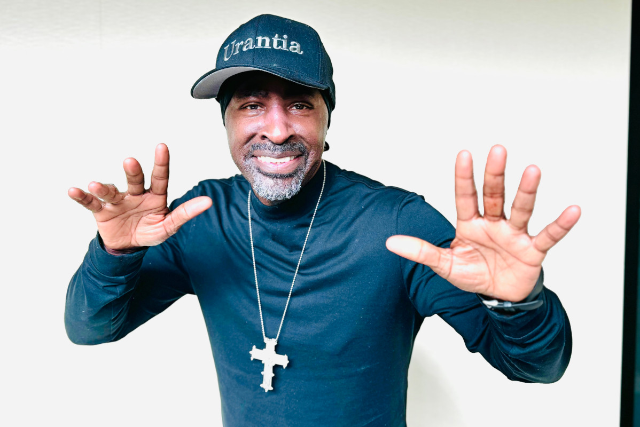
Pato Banton

Pato Banton is a grammy nominated reggae legend that has recorded and toured the world with The English Beat, Steel Pulse, UB40 & STING! (just to name a few) . During the year 2000, while in the midst of a global trek with Peter Gabriel’s WOMAD organization, that combined huge festivals with music outreach programs to poor and underprivileged communities, Pato learned that two of his sons had been shot in a drive-by shooting! He immediately put his career on hold and turned his sorrow into the impetus for community & educational initiatives that would consume the next six years of his life.
Pato created an organization called “Musical Connections” and in partnership the Community Safety Team, provided tuition and counseling for “at risk” young people in 16 different communities across his city of Birmingham, UK. This project was so successful that Pato was approached by the West Midlands Police Department to tackle the ongoing problem of gun crime in some of the poorest neighborhoods. Within a few years this partnership greatly reduced gun crime across the entire city and Pato was given a Lifetime Achievement Award by the BBC and entered into the British Music Hall of Fame during the same year.
In 2006, after feeling that he had planted enough seeds of progress within his home community, Pato decided to relocate to Southern California and embark on the second phase of his musical journey, taking with him the years of experience in the field of Loving Service. Since then Pato has recorded many albums and collaborated with artists all over the world. His most recent albums Love Is The Greatest & The Words Of Rastafari were released on Bob Marley’s Tuff Gong Records International.
Pato Banton’s four-decade public presence has increasingly transcended music to convey a positive & uplifting message of global peace and love for humanity. Now based in Southern California, he continues to record and tour the world extensively with his band The Now Generation, while simultaneously serving as a Teacher, Minister, Counselor and Mentor to his Fans, Friends & Family worldwide!
Pato created an organization called “Musical Connections” and in partnership the Community Safety Team, provided tuition and counseling for “at risk” young people in 16 different communities across his city of Birmingham, UK. This project was so successful that Pato was approached by the West Midlands Police Department to tackle the ongoing problem of gun crime in some of the poorest neighborhoods. Within a few years this partnership greatly reduced gun crime across the entire city and Pato was given a Lifetime Achievement Award by the BBC and entered into the British Music Hall of Fame during the same year.
In 2006, after feeling that he had planted enough seeds of progress within his home community, Pato decided to relocate to Southern California and embark on the second phase of his musical journey, taking with him the years of experience in the field of Loving Service. Since then Pato has recorded many albums and collaborated with artists all over the world. His most recent albums Love Is The Greatest & The Words Of Rastafari were released on Bob Marley’s Tuff Gong Records International.
Pato Banton’s four-decade public presence has increasingly transcended music to convey a positive & uplifting message of global peace and love for humanity. Now based in Southern California, he continues to record and tour the world extensively with his band The Now Generation, while simultaneously serving as a Teacher, Minister, Counselor and Mentor to his Fans, Friends & Family worldwide!